Farsi Salwar Suit: The Royal Ethnic Trend Redefining Modern Indian Fashion in 2026
Why Every Woman Needs a Farsi Salwar Suit
Farsi Salwar Suit?
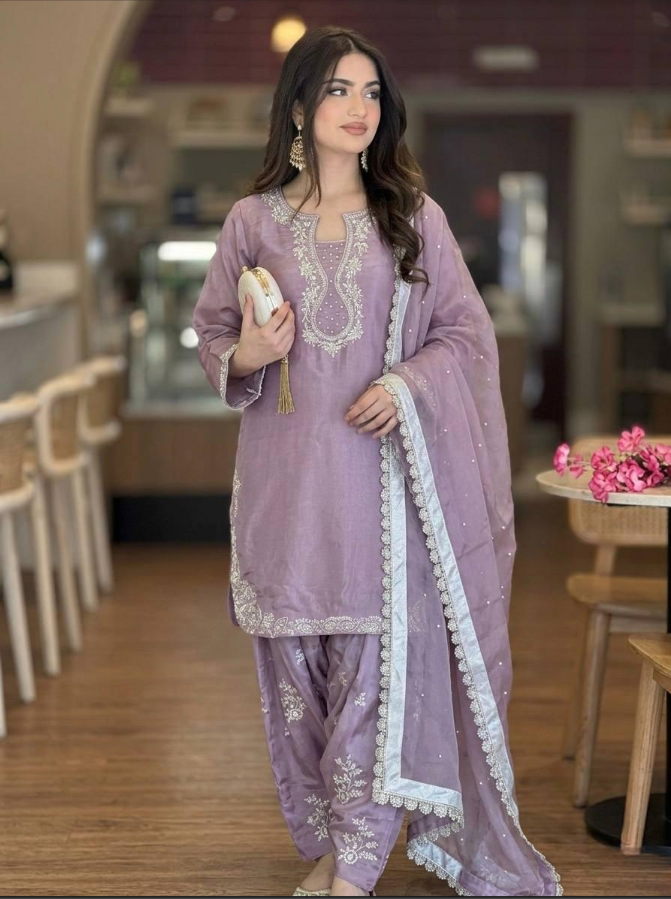
A Farsi salwar suit is a traditional ethnic outfit known for its dramatically wide-legged salwar that flows elegantly and often trails slightly near the floor. The word “Farshi” originates from the Persian word “farsh,” meaning floor. Historically, these salwars were designed so wide and luxurious that they spread beautifully across palace floors. That royal aesthetic is exactly why the outfit still carries such majestic energy today. Unlike regular salwar suits that prioritize convenience and everyday wear, the Farshi silhouette is intentionally dramatic and sophisticated.
Thank you for reading this post, don't forget to subscribe!The outfit usually consists of three elements: a long kameez or kurta, the heavily flared Farshi salwar, and a dupatta. The salwar itself is the centerpiece. It uses a large amount of fabric to create volume and movement, making every step look graceful. Traditional versions were crafted using rich textiles like silk, brocade, velvet, and jamawar, often decorated with zari embroidery, gota work, pearls, and hand embellishments. Modern interpretations now include lightweight organza, georgette, chiffon, and tissue fabrics to improve comfort while maintaining the regal look.
One reason the Farsi salwar suit is making a huge comeback is that modern fashion consumers are craving clothing that tells a story. Fast fashion may dominate everyday wear, but ethnic fashion in 2026 is leaning heavily toward heritage revival. Women no longer want outfits that simply look pretty; they want garments that feel culturally rooted and emotionally expressive. A Farshi salwar suit does exactly that. It combines nostalgia, royalty, femininity, and luxury in a single silhouette. Fashion experts also note that structured necklines, flowing bottoms, and handcrafted embroidery are key trends dominating ethnic wear this year.
Origin of the Farshi Salwar
The Farshi salwar traces its roots back to the Mughal era, where noblewomen and royal queens wore these ensembles inside courts and palaces. The outfit symbolized status, sophistication, and elegance. Mughal fashion heavily emphasized fluid drapes, luxurious fabrics, and intricate craftsmanship, all of which are visible in the Farshi salwar even today. Historical paintings and royal portraits often depict women wearing long kurtas with heavily gathered bottoms that pooled beautifully around their feet.
Lucknow and Hyderabad became major cultural hubs for this fashion style. Nawabi fashion traditions encouraged richly embroidered Farshi salwars paired with chikankari kurtas and elaborate dupattas. Over time, the outfit evolved across regions, especially in Pakistani and North Indian fashion circles. Modern designers have now reinvented the style with cleaner tailoring, softer fabrics, and contemporary cuts to make it wearable for younger audiences.
Why Farsi Salwar Suits Are Trending in 2026
Fashion trends often move in cycles, but the return of the Farshi salwar feels deeper than a simple comeback. It reflects a larger cultural movement toward heritage-inspired fashion. Across India and Pakistan, designers are blending traditional craftsmanship with contemporary styling to create outfits that feel both timeless and modern. The Farshi salwar sits perfectly within this movement because it naturally combines old-world glamour with modern comfort.
Recent fashion coverage highlights how structured embroidery, flowing silhouettes, pastel shades, and Mughal-inspired aesthetics are dominating ethnic wear trends in 2026. Celebrities like Alia Bhatt have also influenced the trend by wearing elegant Farshi-inspired ensembles that blend royalty with minimalism. Her all-white Farshi salwar look was widely praised for redefining modern maharani dressing.
Celebrity Influence and Social Media Fashion
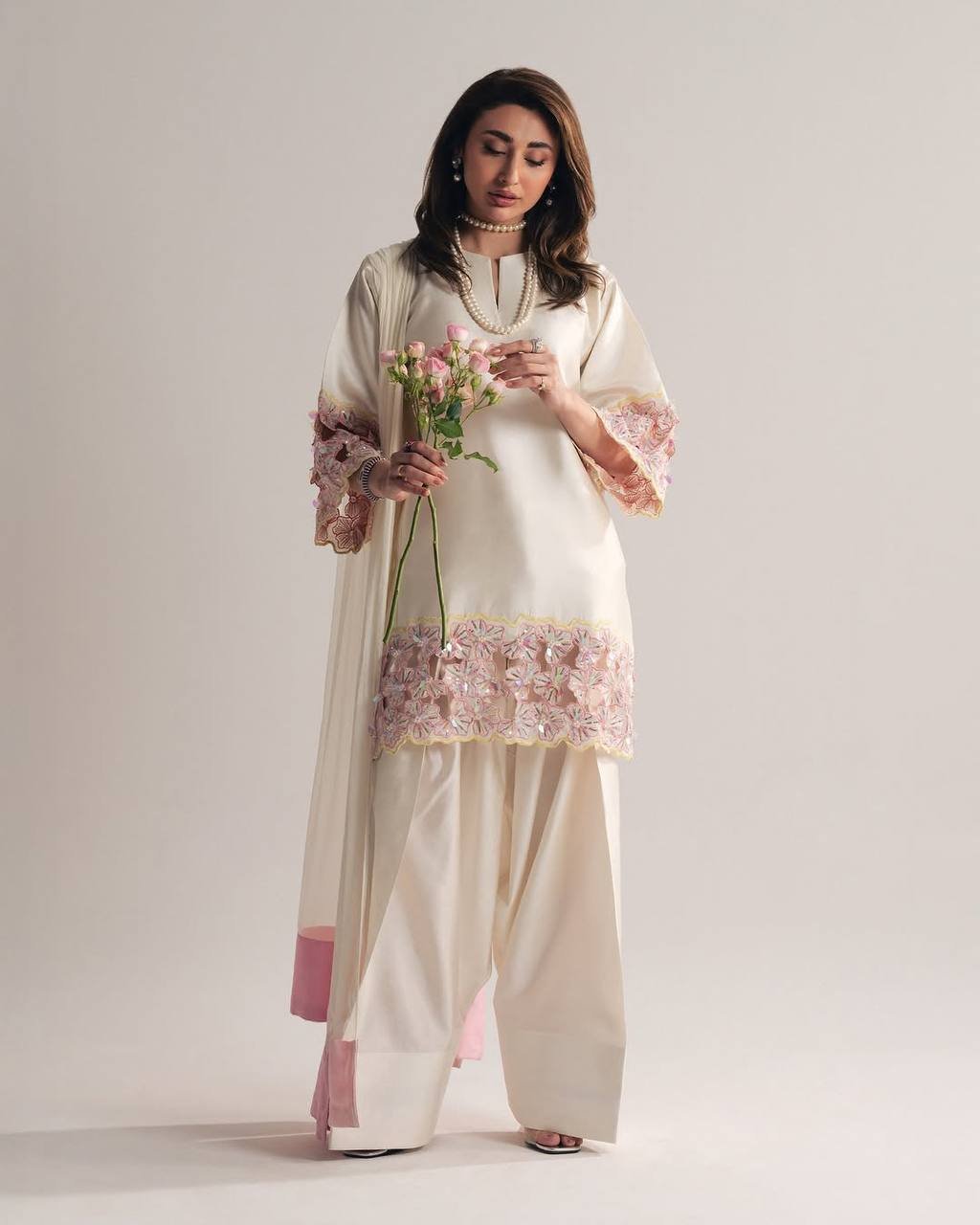
Bollywood and celebrity culture continue to shape ethnic fashion trends in India. Whether it is wedding season or Eid celebrations, celebrity outfits quickly become aspirational fashion goals. Recent celebrity-inspired ethnic looks emphasize flowing silhouettes, delicate embroidery, and pastel tones—all elements strongly associated with Farshi salwar suits.
Influencers are also modernizing the styling approach. Instead of heavily layered traditional looks, they pair Farshi salwars with minimalist jewelry, sleek hairstyles, and soft glam makeup. This balance makes the outfit feel accessible to younger generations who may appreciate tradition but still prefer contemporary aesthetics.
The Return of Mughal-Inspired Fashion
Mughal-inspired fashion is no longer limited to bridal couture. Designers are incorporating royal aesthetics into festive wear, partywear, and even semi-casual ethnic collections. Long kurtas, intricate yokes, pearl embellishments, and flowing bottoms are all returning strongly in 2026.
Popular Fabrics Used in Farsi Salwar Suits
Fabric selection can completely transform the personality of a Farsi salwar suit. Since the outfit depends heavily on movement and drape, the choice of material becomes incredibly important. Rich fabrics create royal structure, while lightweight fabrics add fluid elegance. Designers in 2026 are experimenting with both traditional and contemporary textiles to balance comfort with sophistication.
Silk continues to dominate premium Farshi collections because of its natural shine and graceful fall. Velvet is another favorite for winter weddings and luxury bridal wear because it enhances the royal appeal of the silhouette. According to current ethnic wear trend reports, fabrics like velvet, Chanderi, organza, and silk are especially popular this year.
Organza and Georgette for Modern Styling
Younger consumers increasingly prefer lightweight Farshi suits for comfort and versatility. Organza, chiffon, tissue, and georgette are becoming highly popular because they maintain elegance without feeling too heavy. These fabrics work beautifully for daytime events, Eid gatherings, and summer weddings.
Organza dupattas with pearl borders and soft embroidery are particularly trendy right now. They add luxury without overwhelming the outfit. Designers are also pairing georgette Farshi salwars with shorter kurtas and modern cuts to create fusion-inspired looks suitable for contemporary wardrobes.
Trending Colors for Farsi Salwar Suits
Color trends in 2026 are fascinating because they move in two completely different directions at once. On one side, soft pastels and muted tones dominate daytime ethnic fashion. On the other hand, bold jewel tones continue ruling festive and bridal collections. The Farshi salwar adapts beautifully to both aesthetics.
Pastels like mint green, ivory, powder blue, blush pink, and lavender are increasingly popular because they feel elegant and modern. Fashion experts note that these calming shades create sophistication while remaining highly versatile.
Soft pastel Farshi suits with pearl work and chikankari embroidery have become especially trendy for Eid celebrations and intimate weddings.
At the same time, jewel tones remain unbeatable for grand occasions. Emerald green, royal blue, deep purple, magenta, and maroon continue to dominate bridal and festive collections. Fashion reports suggest that confident colors with refined styling are defining ethnic wear trends in 2026.
Different Types of Farsi Salwar Suit Designs
One of the best things about Farshi salwar suits is their versatility. They are no longer limited to royal bridal wear. Designers have created countless variations that suit different occasions, personalities, and styling preferences. From heavily embroidered bridal ensembles to minimalist everyday looks, the Farshi silhouette can adapt surprisingly well.
Bridal Farsi Salwar Suit
Bridal Farshi salwar suits are pure royalty. They usually feature luxurious fabrics, detailed hand embroidery, zari work, sequins, pearls, and intricate dupattas. Brides who want a regal yet unconventional look often choose Farshi salwars instead of lehengas because they provide greater comfort while still appearing grand.
Modern bridal Farshi suits frequently combine Mughal-inspired aesthetics with contemporary tailoring. Long straight kurtas, cape dupattas, and heavily embroidered borders are particularly popular. The overall effect feels cinematic, almost like stepping out of a historical epic.
Casual and Everyday Styles
Casual Farshi suits are becoming increasingly popular among younger women. Lightweight fabrics, minimal embroidery, and soft pastel shades make these outfits wearable for family gatherings, lunches, and festive celebrations. Instead of dramatic volume, these versions focus on subtle elegance and comfort.
Pairing a lightly flared Farshi salwar with a short kurti and oxidized jewelry creates a chic Indo-fusion vibe. This modern styling approach helps the outfit feel approachable rather than overly ceremonial.
Pakistani Farsi Salwar Designs
Pakistani fashion has played a major role in popularizing modern Farshi salwar suits globally. Pakistani designers often emphasize elegant tailoring, long straight kurtas, delicate embellishments, and flowing silhouettes. These designs feel refined, graceful, and incredibly photogenic.
Pakistani-inspired Farshi suits also frequently use soft color palettes and minimal embroidery, making them ideal for people who prefer understated luxury over excessive sparkle.
How to Style a Farsi Salwar Suit
Styling a Farshi salwar suit requires balance. Since the outfit itself already creates drama through volume and movement, accessories and makeup should complement rather than overpower the look. Think of the outfit as the lead singer in a concert; the supporting elements should enhance the performance without stealing attention.
Statement earrings work exceptionally well with Farshi suits because they frame the face beautifully without cluttering the neckline. Jhumkas, chandbalis, pearl drops, and kundan earrings are especially popular choices. Fashion experts also suggest focusing on one statement element at a time instead of layering multiple heavy accessories together.
Accessories That Elevate the Look
Dupatta styling can dramatically affect the final appearance. A neatly pinned dupatta instantly creates a polished royal look, while a loose, flowing drape adds softness and romance. Potli bags, embroidered clutches, and traditional bangles pair beautifully with Farshi outfits.
Hair accessories are another underrated styling tool. Fresh flowers, pearl pins, and maang tikas can instantly elevate the ensemble, especially for weddings and festive occasions.
Footwear and Makeup Tips
Since Farshi salwars often cover most of the legs, footwear still matters because it influences posture and movement. Traditional juttis, embellished mojaris, and block heels work wonderfully. Comfort is important because the outfit already involves a lot of fabric and movement.
Makeup trends in 2026 lean toward soft glam rather than heavy contouring. Dewy skin, subtle shimmer eyes, nude lips, and defined brows complement Farshi outfits beautifully. The goal is to appear elegant rather than overly dramatic.
Best Occasions to Wear Farsi Salwar Suits
The beauty of the Farshi salwar lies in its adaptability. It can look bridal, festive, casual, or contemporary depending on the styling approach. Weddings remain the most popular setting for these outfits because the flowing silhouette naturally creates grandeur and elegance.
Family gatherings, engagement ceremonies, sangeet nights, festive dinners, and even fashion shoots are excellent occasions for wearing a Farshi salwar suit. Modern lightweight versions can also work beautifully for daytime events.
Farsi Salwar Suit vs Sharara vs Gharara
People often confuse Farshi salwars with shararas and ghararas because all three involve flared bottoms. However, the silhouettes are distinctly different.
| Feature | Farsi Salwar | Sharara | Gharara |
|---|---|---|---|
| Structure | Fully wide and flowing | Flared from the waist | Fitted till the knees then flared |
| Look | Royal and graceful | Festive and playful | Traditional and structured |
| Movement | Smooth and dramatic | Bouncy and lively | Structured flare |
| Best Occasion | Weddings and Eid | Parties and Mehendi | Traditional ceremonies |
| Inspiration | Mughal royalty | Modern festive fashion | Nawabi heritage |
The Farshi salwar generally feels more regal and fluid compared to the playful energy of shararas or the structured elegance of ghararas.
Buying Guide for the Perfect Farsi Salwar Suit
Buying the right Farshi salwar suit involves more than choosing a pretty design. Fabric, tailoring, fit, color, and occasion all matter significantly. Since the outfit depends heavily on drape and movement, poor stitching can ruin the entire silhouette.
Choosing the Right Fabric
For weddings and winter events, velvet and silk are excellent choices because they create richness and structure. For summer events and daytime occasions, georgette, chiffon, and organza feel lighter and more breathable.
Always check how the fabric falls before purchasing. A good Farshi salwar should move gracefully rather than looking stiff or bulky.
Future of Farsi Salwar Fashion
The future of Farshi salwar fashion looks incredibly strong. Cultural fashion is evolving beyond nostalgia into something deeply expressive and globally admired. Designers are experimenting with fusion cuts, sustainable fabrics, digital embroidery techniques, and lightweight tailoring to make Farshi suits more versatile for modern consumers.
Technology is even influencing ethnic fashion shopping. New virtual try-on research focused on South Asian garments like salwar kameez suggests that digital fashion experiences are becoming increasingly advanced. This could make customized Farshi styling more accessible worldwide.
The growing popularity of heritage fashion among Gen Z and millennials also suggests that traditional silhouettes are not disappearing anytime soon. Instead of choosing between tradition and modernity, people now want both together. The Farshi salwar delivers exactly that balance.
Conclusion
The Farsi salwar suit is far more than a fashion trend. It is a celebration of heritage, craftsmanship, femininity, and timeless elegance. In an era where fashion often moves too quickly, the Farshi silhouette reminds people of the beauty of slow luxury and cultural storytelling. Its flowing structure, royal history, and modern reinvention make it one of the most captivating ethnic styles of 2026.
Whether styled minimally for Eid, heavily embellished for weddings, or fused with contemporary cuts for modern fashion shoots, the Farshi salwar continues to evolve while preserving its regal identity. That rare ability to remain traditional yet modern is exactly why it has captured the hearts of designers, celebrities, influencers, and everyday fashion lovers alike.
If ethnic fashion were a language, the Farshi salwar would speak poetry instead of prose.
Where to Buy the Best Farsi Salwar Suits Online
Online shopping has dramatically expanded access to Farshi salwar designs. What was once available mainly through luxury boutiques can now be found across major e-commerce platforms and designer stores.
Affordable Farshi salwar suits are becoming extremely popular among young shoppers who want elegant ethnic fashion without spending heavily. Rayon fabrics, lightweight embroidery, and simple silhouettes make these styles perfect for casual festive gatherings and college ethnic days.
Popular places include:
| Platform | Best For | Price Range |
|---|---|---|
| amazon | Affordable designer-inspired styles | ₹1,500–₹8,000 |
| Ajio | Trend-based ethnic fashion | ₹2,000–₹10,000 |
| Kalki Fashion | Premium bridal Farshi suits | ₹8,000–₹80,000 |
| Aza Fashions | Luxury designer collections | ₹15,000+ |
| Nykaa Fashion | Contemporary ethnic collections | ₹2,500–₹25,000 |
FAQs
1. What is the difference between Farshi salwar and sharara?
A Farshi salwar is fully wide and flowing from top to bottom, while a sharara flares outward more dramatically from the waist. Farshi salwars generally appear more royal and fluid.
2. Can petite women wear Farsi salwar suits?
Yes, petite women can wear Farshi salwars beautifully by choosing lighter fabrics, moderate flare, and well-fitted kurtas to maintain balanced proportions.
3. Which fabric is best for bridal Farshi salwar suits?
Silk and velvet are considered ideal for bridal Farshi salwar suits because they create a luxurious structure and enhance embroidery beautifully.
4. Are Farsi salwar suits trending in 2026?
Yes, Farshi salwar suits are among the top ethnic fashion trends in 2026, especially for weddings, Eid celebrations, and Mughal-inspired fashion looks.
5. What jewelry works best with Farshi salwar suits?
Jhumkas, chandbalis, pearl jewelry, kundan sets, and traditional bangles pair exceptionally well with Farshi salwar outfits.


One Comment